Nobody is born confident. That gets said so often it's become background noise, easy to nod at and forget. But it's worth actually sitting with, because the flip side of it is enormously good news: if confidence isn't something a kid either has or doesn't, then it's something that can be built. Deliberately. On purpose. Starting today, regardless of where a kid is starting from.
And there's a specific, well-documented way to build it — one that has nothing to do with talent, appearance, or being naturally athletic.
The mechanism: mastery, not motivation
Psychologists have a name for the specific flavor of confidence that comes from getting better at something through your own effort: self-efficacy. It's different from generic self-esteem — it's not "I am valuable," it's "I am capable of doing hard things and getting better at them." And critically, it's built through a very specific loop:
Try something → it's hard → do it anyway → notice you did it → try something slightly harder.
That loop is the entire mechanism. It doesn't require natural talent. It doesn't require winning. It just requires a repeated, felt experience of effort turning into progress. Which is exactly what physical training is — maybe the purest, most measurable version of that loop that exists for a kid.
Why fitness specifically works so well for this
A kid can't fake a push-up. They either did ten or they did seven. There's no grading curve, no social politics, no ambiguity about whether they actually improved. Last week it was seven. This week it's ten. That is undeniable, first-person, embodied proof that effort works — and a kid doesn't need anyone to tell them that. They felt it happen in their own body.
Compare that to a lot of the other places kids are told to build confidence — a class presentation, a social situation, a performance. Those matter too, but they're murkier. Success is judged by other people, outcomes are subjective, and a bad day can look identical to a bad skill. Physical progress doesn't have that fog. It's about as close to objective proof of "I got better because I worked at it" as childhood offers.
What this looks like day to day
This isn't about turning kids into athletes or chasing personal records for their own sake. It shows up in much smaller, quieter ways:
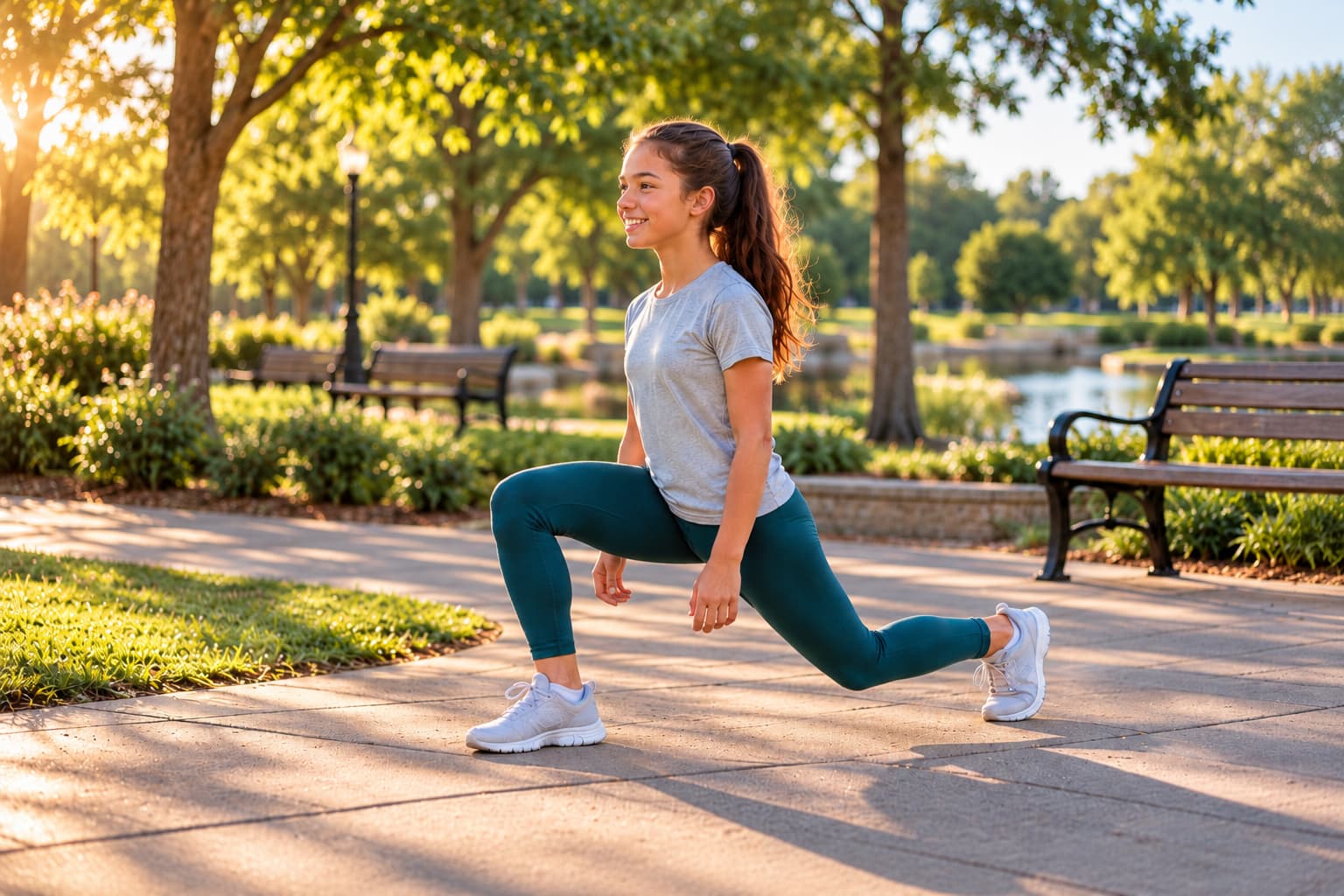
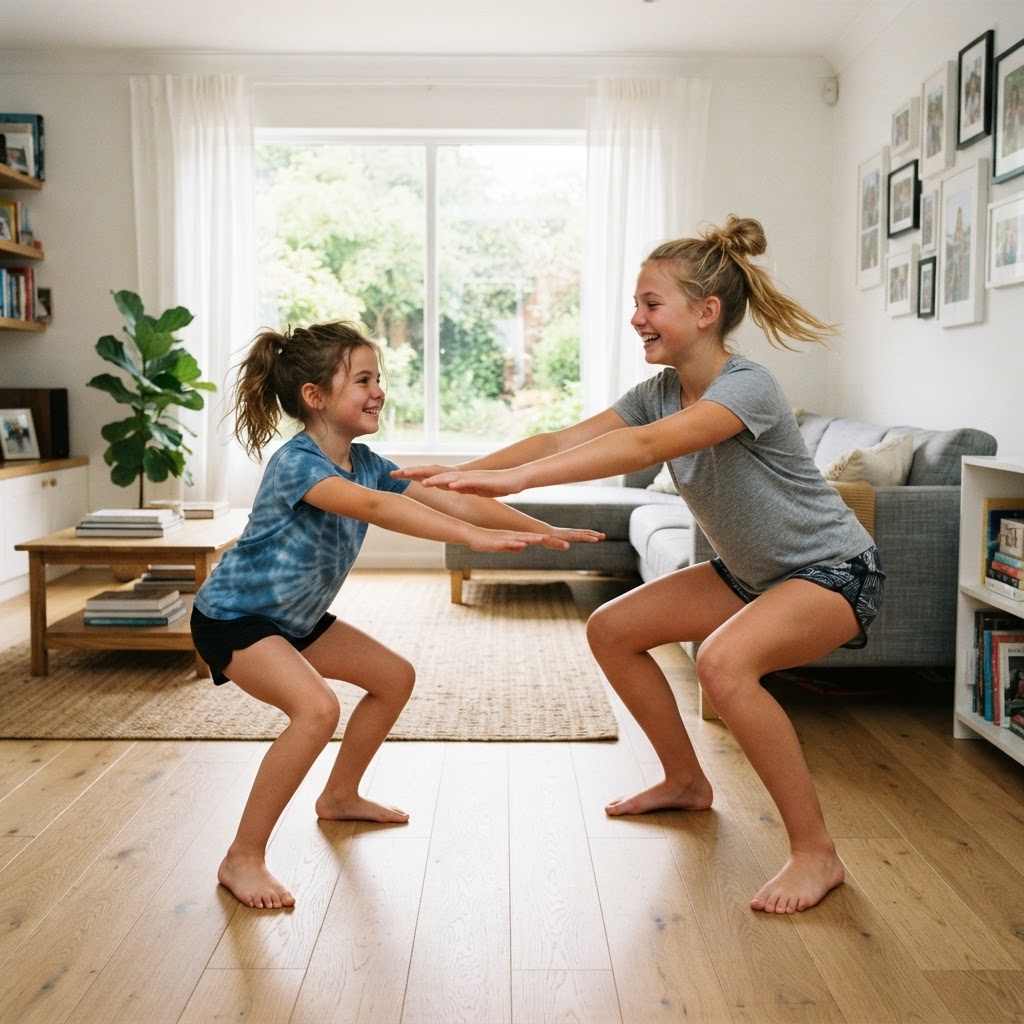
- A kid who couldn't hold a plank for 20 seconds in January holding one for a full minute in March — and noticing, unprompted, that they noticed.
- A kid who used to hang back from anything physical volunteering to go first, because "I'm actually pretty good at this now."
- A kid carrying that same "I can get better if I keep trying" belief into something that has nothing to do with fitness — a hard math unit, a tryout, a friendship that needs repair.
That last one is the real prize. The confidence built rep by rep in a workout doesn't stay contained to workouts. Kids generalize it. Once a child has proof — real, felt, undeniable proof — that effort compounds into ability, that belief starts showing up everywhere else in their life too.
What it doesn't look like
It's worth saying plainly: this only works if the loop stays intact. If a kid is compared constantly to other kids, or pushed past what their body is ready for, or made to feel like the outcome is what matters rather than the improvement, the loop breaks. The confidence isn't coming from being the best. It's coming from being better than they were. That's a subtle distinction, and it's the whole game.
The takeaway
You don't build a confident kid by telling them they're confident. You build one by handing them small, winnable challenges, letting them notice their own progress, and getting out of the way while the loop does its work. Fitness happens to be one of the best tools ever invented for exactly that — not because it's about strength, but because it's about proof.