
Let's start with the myth, because you've almost certainly heard it: strength training will stunt your kid's growth.
It's one of the most persistent pieces of parenting folklore out there — right up there with "don't swim after eating" and "cracking your knuckles causes arthritis." And like those, it doesn't hold up. Not a little bit off. Not "true in some cases." Just wrong, and wrong in a way that's kept a couple of generations of kids away from one of the best things they could do for their bodies.
Here's what's actually going on.
Where the growth-plate myth came from
Kids have growth plates — soft areas of cartilage near the ends of long bones where new bone tissue forms. They're genuinely more vulnerable to injury than mature bone. The myth's one grain of truth is that growth plate injuries do happen in youth sports.
But when researchers actually looked at how those injuries happen, a clear pattern emerged: they're almost never caused by structured, supervised strength training. They're overwhelmingly caused by falls, collisions, and overuse — the stuff of unsupervised gymnastics attempts, contact sports, and kids testing gravity in the backyard. A kid doing a coached, age-appropriate squat is not in the injury pool that gave this myth its scary reputation.
The American Academy of Pediatrics looked at the research in its 2020 clinical report on resistance training and landed firmly on the other side of the myth: children and adolescents can gain strength with low injury rates when the focus is on proper technique and good supervision. The report also makes a point most parents never hear: resistance training isn't limited to lifting weights. Bodyweight movements count, and they're where kids should start.
What actually happens to a young body that strength-trains
Stronger bones, not damaged ones. Bone responds to load. Controlled resistance training stimulates bone density in growing children the same way it does in adults — and because kids' bones are still actively remodeling, there's a case that the window for building bone density is more responsive in youth than it will ever be again.
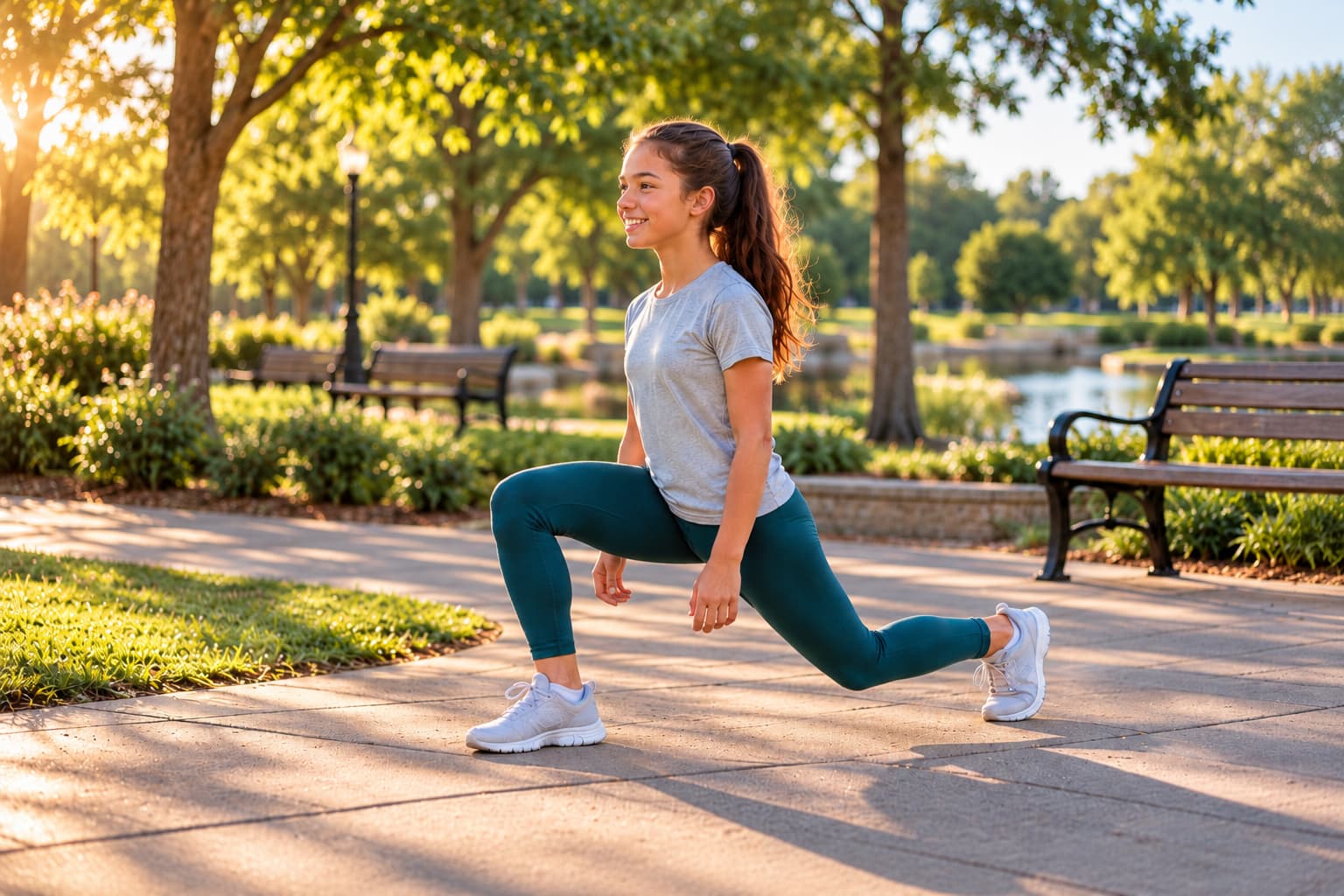
Better coordination and motor control. A surprising amount of what strength training builds in kids isn't muscle mass — it's neuromuscular skill. Learning to control a squat, brace a plank, or move through a lunge with good form teaches the nervous system to recruit muscles efficiently. That shows up everywhere: better balance, fewer falls, better performance in whatever sport they actually play.
Injury prevention, not injury risk. This is the part that surprises parents most. Kids who build general strength — particularly in the muscles around the hips, knees, and shoulders — are measurably less likely to get hurt playing the sports they already love. Strength training isn't competing with soccer or gymnastics. It's the insurance policy underneath them.
Confidence that has nothing to do with how they look. This one's harder to put a number on, but every physiologist who works with kids will tell you the same thing: there's something specific about a child realizing their body can do more than it could last month. Not "look different." Do more. That's a different kind of confidence than anything tied to appearance, and it tends to stick.
What "age-appropriate" actually means
This is where the details matter, so here's the short version:
- Bodyweight first. Squats, push-ups, lunges, planks — a child's own body provides plenty of resistance to build real strength. There's no rush to add external load.
- Form first, always. The goal at every age is a movement done well, not a number on a chart. One perfect squat is worth more than ten sloppy ones.
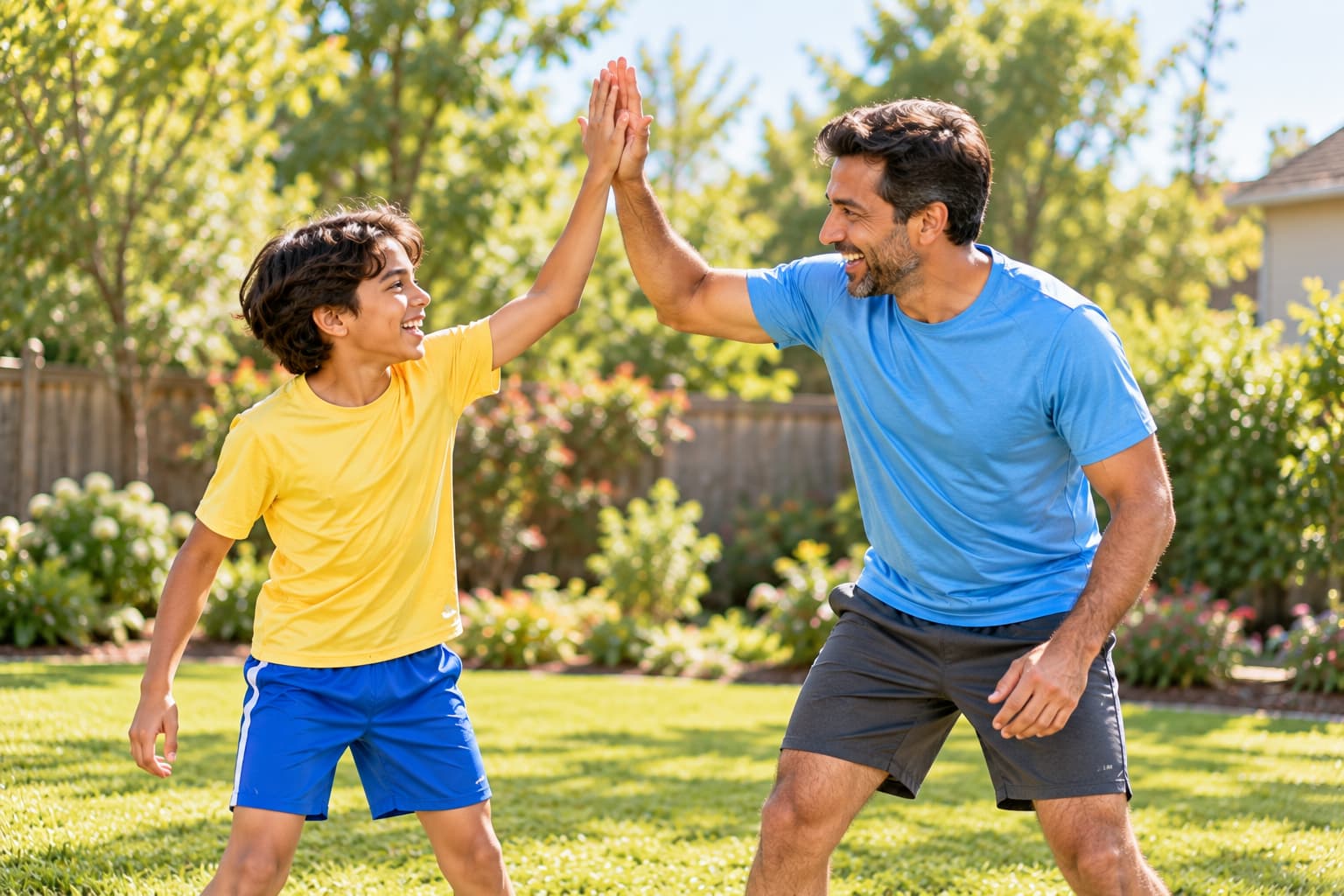
- Guidance matters most. The research consistently points to technique and guidance, not how hard a kid pushes, as the real safety variable. That's why a parent staying involved matters more than any piece of gear.
- Consistency beats intensity. Three short, well-formed sessions a week build more real strength — and more of a lasting habit — than one exhausting one.
The takeaway for parents
If you've been holding your kid back from strength training out of a worry that's been sitting in the back of your mind for years, you can let it go. The science is settled, it's been settled for a while, and it points the opposite direction from the myth: supervised, age-appropriate strength training builds bones, coordination, injury resilience, and a kind of confidence that has nothing to do with a mirror.
The only real question left is how — which is exactly why "supervised" and "age-appropriate" are doing so much work in that sentence above. Done well, this is one of the best things a growing body can do. Done carelessly, like anything physical, it isn't. The difference is technique and guidance.
If your child has a health condition, check with their pediatrician before starting any new exercise program. The AAP recommends it too.
Sources
American Academy of Pediatrics, "Resistance Training for Children and Adolescents," Pediatrics, June 2020 (summary: healthychildren.org)